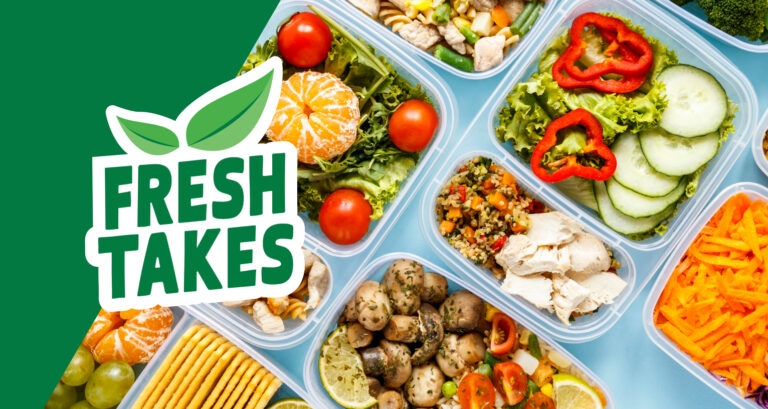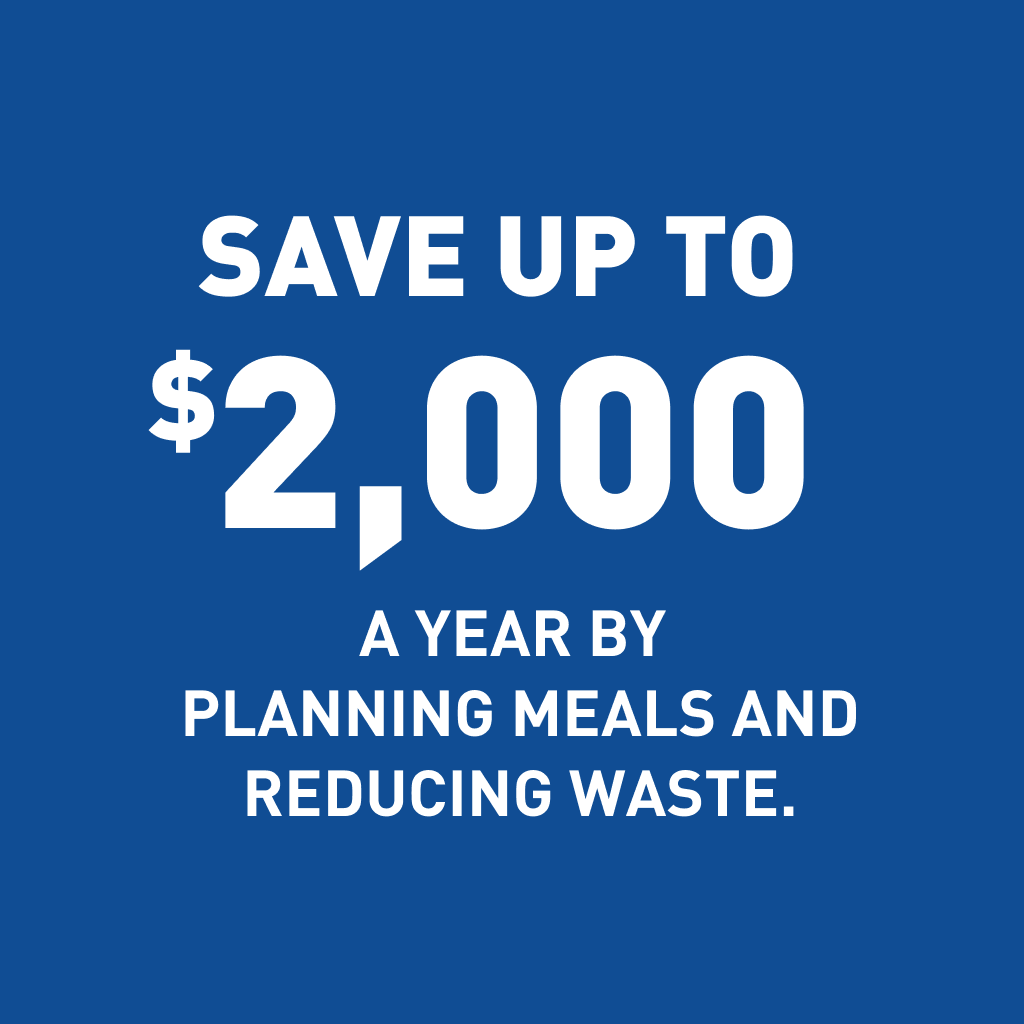
Families are busier than ever, making it harder to find time for home-cooked meals. But with meal prepping, you can take the stress out of cooking and save time, money and food. The average family of four can save up to $2,000 a year by planning meals and reducing waste. Now that’s a lot of dough!
MEAL PREPPING FOR BEGINNERS
Become a meal prep master with the ultimate guide to prepping.
- Pick a prep day. Most people meal prep on Sundays, but choose any day that fits your schedule.
- Inventory first. Check your fridge, pantry and freezer to see what you already have. This helps prevent buying unnecessary items.
- Choose recipes with overlapping ingredients. Select meals that use similar ingredients to make the most of your grocery budget. For example, use a rotisserie chicken for several meals and save the bones for stock.
- Make a grocery list. Create a list to avoid impulse buys. Shop for bulk items and take advantage of sales on fresh produce and meats.
- Prep ingredients ahead. Wash, chop and cook ingredients in advance. Pre-make sauces and dressings for added convenience.
- Store meals properly. Once meals are cooked, let them cool before storing in airtight containers. Label and date your containers.
GET MORE MEALS OUT OF FEWER INGREDIENTS
This is where methods like the 5-4-3-2-1 grocery method come in. One ingredient rarely has to mean one meal — a bunch of carrots can turn into a side dish, a soup base, a snack and a stir-fry component, all from a single purchase.
The 5-4-3-2-1 method means shopping for five vegetables, four fruits, three proteins, two grains or starches and one treat for the week. A simpler version, the 3-2-1 rule, means prepping for three dinners, two breakfasts and one treat. Either way, instead of shopping for specific recipes, you’re shopping for components — building blocks you can mix and match all week long.
This approach takes the pressure off meal planning. You don’t need to decide exactly what you’re making before you shop; you just need a mix of versatile ingredients on hand. That flexibility also means less food waste, since you’re using the same items across multiple dishes instead of letting half-used ingredients go bad in the fridge. It can save money, too — buying in a few core categories means less specialty shopping and more repeat use of what’s already in your kitchen.
SEE IT IN ACTION
Here’s what a 5-4-3-2-1 grocery list might look like, and just how far it can stretch:
Vegetables
- Potatoes: leek and potato soup, shepherd’s pie, poori with potato masala, savory pies
- Broccoli: broccoli with peanut sauce, broccoli cheese soup
- Spinach: Korean-style savory pancakes, leftover roasted veggie frittata
- Tomatoes: goulash, black bean, corn and tomato salad
- Carrots: pickled vegetables, scrap wrap, lettuce wrap, shepherd’s pie
Fruits
- Avocado: smoothies, scrap wrap, tacos, black bean, corn and tomato salad
- Apples: applesauce, French toast with berries, smoothies
- Raspberries: chocolate-covered fruit, French toast with berries, smoothies
- Bananas: smoothies, banana muffins
Proteins
- Chicken: matzo ball soup, lettuce wraps
- Steak: tacos, added protein for vegetable stir-fry, scrap wrap
- Ground meat: goulash, shepherd’s pie
Grains
- Pasta: protein-packed pasta salad, Mediterranean pasta salad
- Bread: French toast with berries, mini quiches, homemade croutons, bread pudding
Treat
- Chocolate chips: chocolate-covered bananas, kitchen sink cookies, energy bars
One list. Fifteen ingredients. More than 25 possible meals — proof that a little planning at the grocery store goes a long way toward stretching your food, and your budget, further.
FRESH TAKES: MASTER OF THE MEAL PREP
Prep once, eat twice (or more)!

Vegetable Stir-Fry
Turn leftover veggies into a quick, tasty stir-fry — perfect for meal prep.
MAKE SHOPPING EASY WITH A LIST
Click here to view the Fresh Takes suggested January shopping list.
Families in Franklin County can reduce food waste when they involve children in meal prep and teach them about wasting food. It’s a great way to get kids excited while making a positive impact on your family’s waste-reduction efforts!
- Make It Fun: Turn meal prep into a game or challenge, like creating the “most colorful salad” or “guessing the veggie” for a stir-fry.
- Assign Age-Appropriate Tasks: Younger kids can wash veggies or stir, while older kids can chop, assemble meals or help with storage.
- Teach About Food Waste: Explain how meal prep helps reduce waste and save money. Show them how to use up leftovers creatively.
- Set a Routine: Involve kids weekly to help build the habit and make it a family activity. Plan the weekly menu together to keep them engaged.
_________________________________________________________
Ready to save more than food? Discover Fresh Takes on meal planning tips, delicious recipes and simple ways to reduce food waste at SaveMoreThanFood.org/FreshTakes.