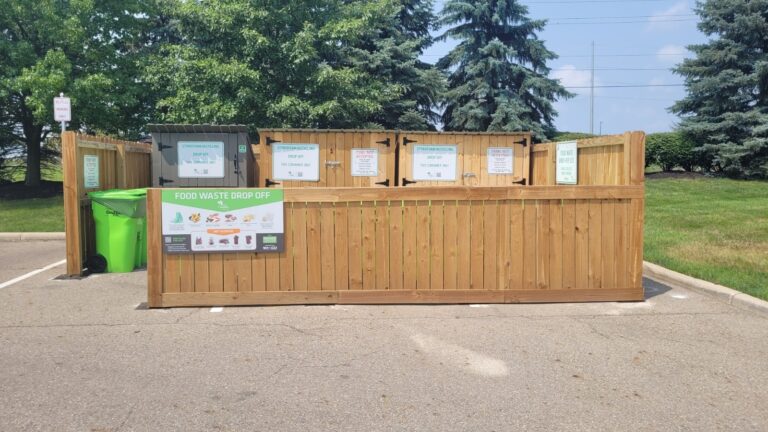
Food scraps don’t have to go in the trash. Community organic drop-off sites give you an easy way to keep food scraps and other accepted organic materials out of the landfill and turn them into a resource.
Before you head to a drop-off site, check the list below to see what you can bring.
What You Can Drop Off

Food Scraps
Most of the food you have in your kitchen can go to an organic drop-off site, including:
- Fruits and vegetables
- Salads
- Prepared foods and leftovers
- Moldy or expired unpackaged food
- Bread, grains, cereals, rice and pasta, cooked or uncooked
- Nuts, nutshells, seeds and beans
- Pickles, kimchi and other fermented foods
- Pastries, desserts and candies
- Flour, cornmeal and spices
Meat, Seafood & Dairy
You can also drop off:
- Meat and bones, cooked or raw
- Fish and seafood
- Shellfish, including crab, oyster, clam and mussel shells
- Dairy products, including spoiled dairy products
- Eggs and eggshells
Coffee & Tea
- Coffee grounds
- Paper coffee filters
- Loose tea
- Tea bags made from paper or cotton
Check your tea bags: Some tea bags contain plastic. If you’re not sure what yours are made of, remove the tea from the bag before dropping it off.
Fruits, Vegetables & Flowers
Some of the items you may not think of as food scraps can also be accepted:
- Corncobs
- Avocado pits
- Fruit pits
- Pumpkins
- Gourds
- Squash
- Cut or dried flowers
Food-Soiled Paper
- Food- and beverage-soiled napkins
- Food- and beverage-soiled paper towels
- Uncoated paper cups
- Uncoated paper plates
- Uncoated paper bowls
- Paper bags
BPI-Certified Compostable Products
Some certified compostable products can also be dropped off.
Look for the BPI certification when choosing compostable products. Products labeled “compostable” or “biodegradable” are not automatically accepted.
What Can’t I Drop Off?

Keeping the wrong materials out of the organic waste stream helps make sure the collected material can be properly processed. Please leave these items out:
Packaging & Plastics
- Packaged food
- Plastic bags*, wraps and film
- Plastic cups, straws, takeout containers, utensils and packaging
- Compostable or biodegradable food serviceware and packaging
- Plastics, metals, foil, glass and Styrofoam
*Plastic bags – The green-tinted bags often used for produce at grocery stores are plastic and are not compostable.
Coated or Lined Paper
- Plastic-lined paper products
- Wax-coated paper products
- Plastic-lined or wax-coated cups, plates, bowls, takeout containers and cardboard
Yard & Plant Waste
- Yard waste
- Diseased or infested houseplants
- Invasive plants
- Contaminated soil
- Holiday decorations
Pet & Human Waste
- Animal or human waste or bodily fluids
- Diapers
- Kitty litter
- Dog feces
- Used facial tissues
- Used toilet paper
- Baby wipes
- Sanitary products
- Animal remains, including deceased pets and roadkill
Other Items
- Clothes, fabric and yarn
- Chewing gum
- Tobacco
- Prescription and over-the-counter medications
- Other recyclables and trash
Before You Drop It Off
A few simple steps can help keep your organic materials on track.
Remove packaging. Food should be removed from plastic, glass, metal and other packaging before you drop it off.
Remove produce stickers and other small items. Take off produce stickers, rubber bands, labels and twist ties before adding food scraps to your collection.
Small amounts of oil and grease are OK. Foods cooked with fats and oils can be accepted, but large amounts of leftover cooking oil or grease should not be dropped off.
When in doubt, leave it out. If you’re not sure whether something belongs, check the list or contact the program before bringing it to a drop-off site.
Find an Organic Drop-Off Site

Ready to give your food scraps a new purpose?
Use the map to find an organic drop-off site near you and check the location details before you go.
Don’t see an item listed here? Email [email protected] to ask us!